Tensile for Airport: Modern Architectural Solutions for Future-Ready Aviation
10 December 2025
Airports are no longer just transit points; they are gateways that represent a city, a country, and its progress. With increasing passenger traffic and the demand for faster construction, cost efficiency, and iconic design, modern airports are adopting innovative architectural solutions. One such solution gaining massive popularity is tensile structures for airports.From terminal entrances and walkways to parking areas and waiting lounges, tensile for airport infrastructure has become an essential element of contemporary aviation design.
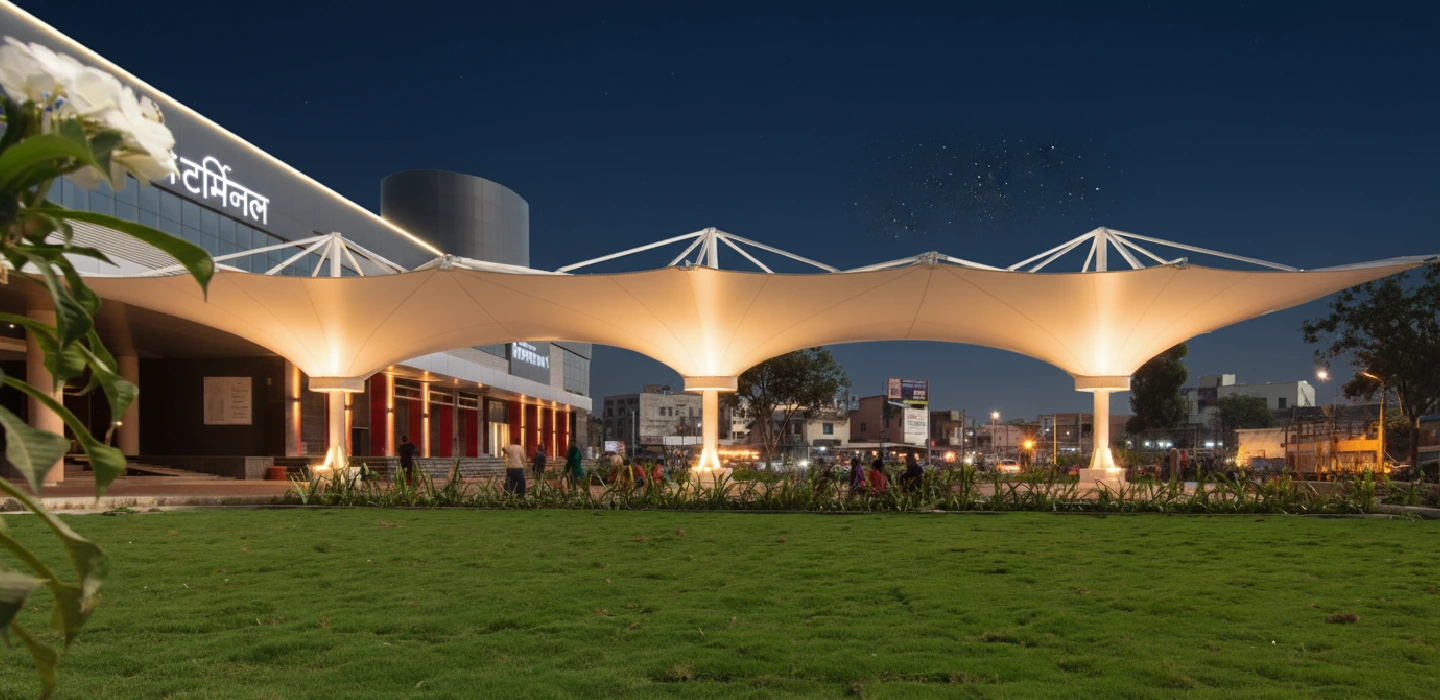
What is Tensile Structure and Why Airports Prefer It?
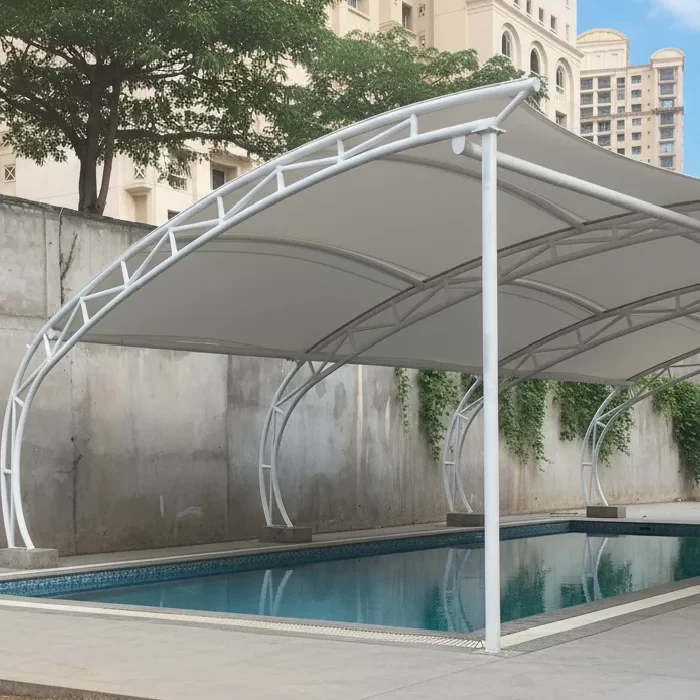
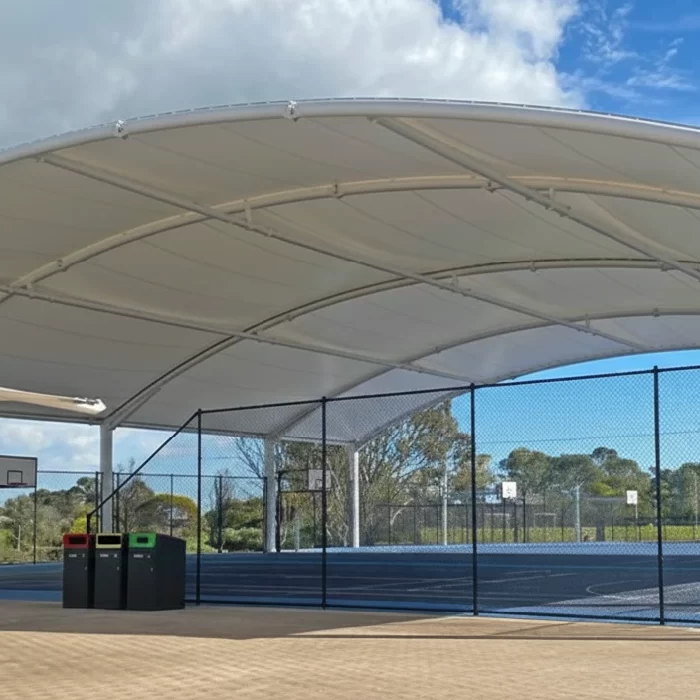
A tensile structure is a lightweight architectural form that uses tensioned fabric membranes supported by steel or aluminum frameworks. These structures are designed to cover large spans without the need for heavy columns, making them ideal for open, high-traffic environments like airports.
Airports prefer tensile structures because they combine strength, flexibility, and visual appeal. The fabric used—such as PTFE, PVC, or ETFE—is highly durable, weather-resistant, and capable of handling extreme climatic conditions.
Key Applications of Tensile for Airport Projects
1. Airport Terminal Entrances
The first impression of an airport begins at its entrance. Tensile structures create grand, welcoming canopies that enhance architectural identity while offering protection from sun, rain, and heat.
2. Passenger Walkways and Drop-off Zones
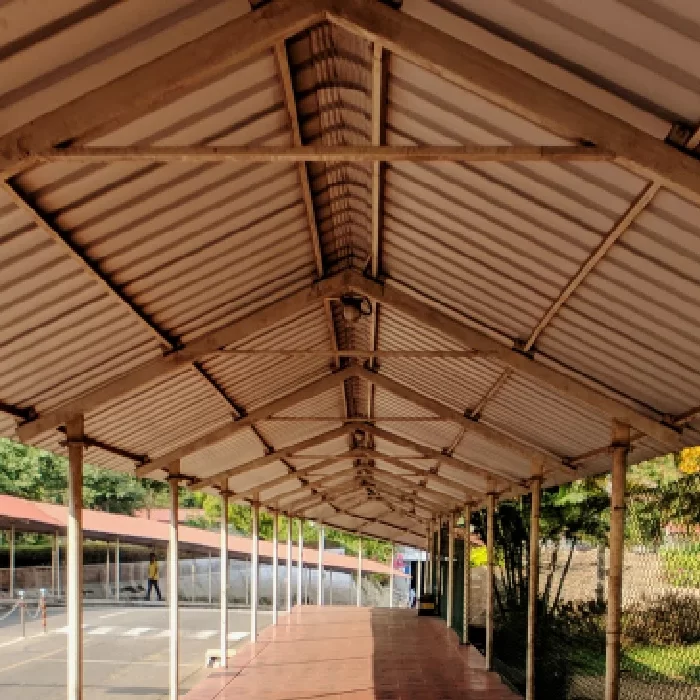
Covered walkways using tensile fabric ensure smooth passenger movement between terminals, parking areas, and transport zones. These structures provide comfort without blocking natural light or ventilation.
3. Parking and Vehicle Bays
Tensile for airport parking areas is a cost-effective alternative to conventional roofing. It protects vehicles from harsh sunlight and rain while maintaining an open and airy layout.
4. Waiting Areas and Lounges
Outdoor waiting zones, smoking areas, and relaxation spaces benefit from tensile roofing due to its aesthetic elegance and thermal comfort.
5. Cargo and Utility Areas
Tensile structures are also used in airport cargo zones and service areas where quick installation and large clear spans are required.
Benefits of Using Tensile for Airport Infrastructure
✔ Architectural Elegance
Tensile structures add a futuristic and iconic look to airport campuses. Their fluid forms and clean lines align perfectly with modern aviation architecture.
✔ Faster Construction
Compared to traditional concrete or steel roofs, tensile structures can be designed, fabricated, and installed in a much shorter time—crucial for busy airports.
✔ Cost Efficiency
Reduced material usage, minimal foundations, and faster installation make tensile for airport projects more economical in the long run.
✔ Weather Resistance
High-quality tensile membranes are UV-resistant, fire-retardant, waterproof, and capable of withstanding strong winds and heavy rainfall.
✔ Sustainability
Tensile structures allow natural daylight penetration, reducing the need for artificial lighting. Many fabrics are recyclable, supporting eco-friendly airport initiatives.
Tensile for Airport: A Smart Choice for Expanding Aviation Needs
With increasing air travel demand, airports are constantly expanding and upgrading their infrastructure. Tensile structures offer unmatched flexibility, making them ideal for phased expansions without disrupting operations.
Additionally, tensile roofs can be customized in terms of shape, color, translucency, and branding, allowing airports to maintain a strong visual identity.
Why Tensile Structures Are the Future of Airport Design
The aviation industry demands infrastructure that is durable, scalable, visually impressive, and efficient. Tensile for airport projects fulfills all these requirements while adapting to future needs such as smart lighting, solar integration, and modular expansion.
Global airports are already embracing tensile architecture to create passenger-friendly environments that balance form and function. As technology advances, tensile structures will continue to redefine how airports are designed and experienced.
Conclusion
In today’s fast-paced aviation sector, tensile for airport infrastructure is not just a design trend—it is a strategic investment. From enhancing passenger comfort to reducing construction time and costs, tensile structures offer multiple advantages that align perfectly with modern airport requirements.
Whether it’s a new terminal, a covered walkway, or a parking facility, tensile structures provide airports with a future-ready solution that combines aesthetics, performance, and sustainability.
As airports continue to evolve, tensile architecture will remain at the forefront—shaping skylines, improving efficiency, and welcoming millions of travelers every day.