Tensile Structure for Convention Center: A Modern Solution for Large-Scale Spaces
16 December 2025
Convention centers are designed to host large gatherings, exhibitions, conferences, cultural events, and trade shows. These spaces demand structures that are not only strong and durable but also visually impressive and flexible in design. In recent years, the tensile structure for convention center applications has emerged as a preferred architectural solution, combining functionality, aesthetics, and efficiency.
What Is a Tensile Structure?
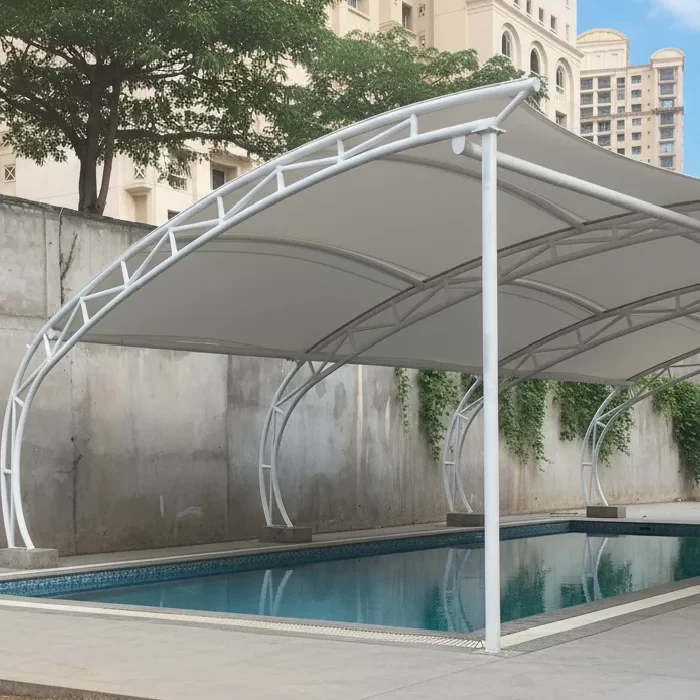
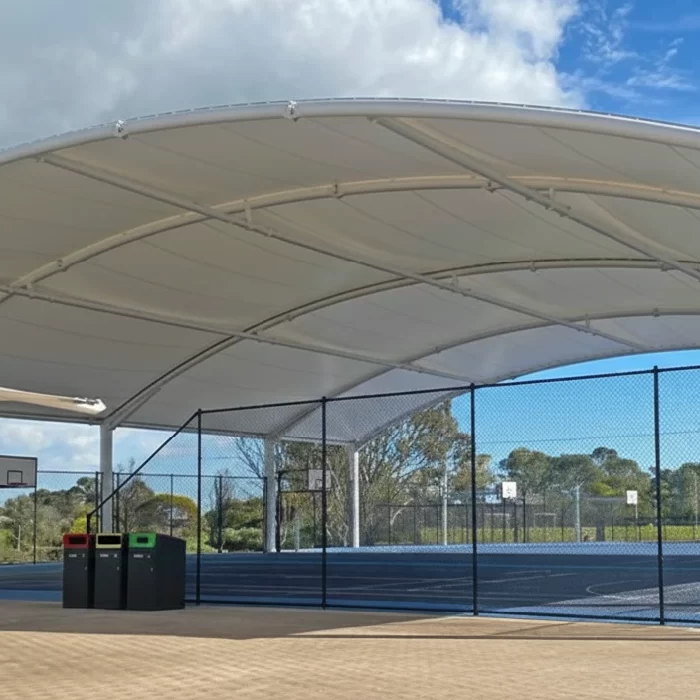
A tensile structure is a construction system that uses tensioned fabric membranes supported by steel or aluminum frameworks. Unlike traditional concrete or metal roofing systems, tensile structures rely on tension rather than compression, allowing them to cover large spans with minimal material. This makes them ideal for convention centers that require wide, open, column-free spaces.
Why Tensile Structures Are Ideal for Convention Center ?
1. Large Span Coverage Without Columns
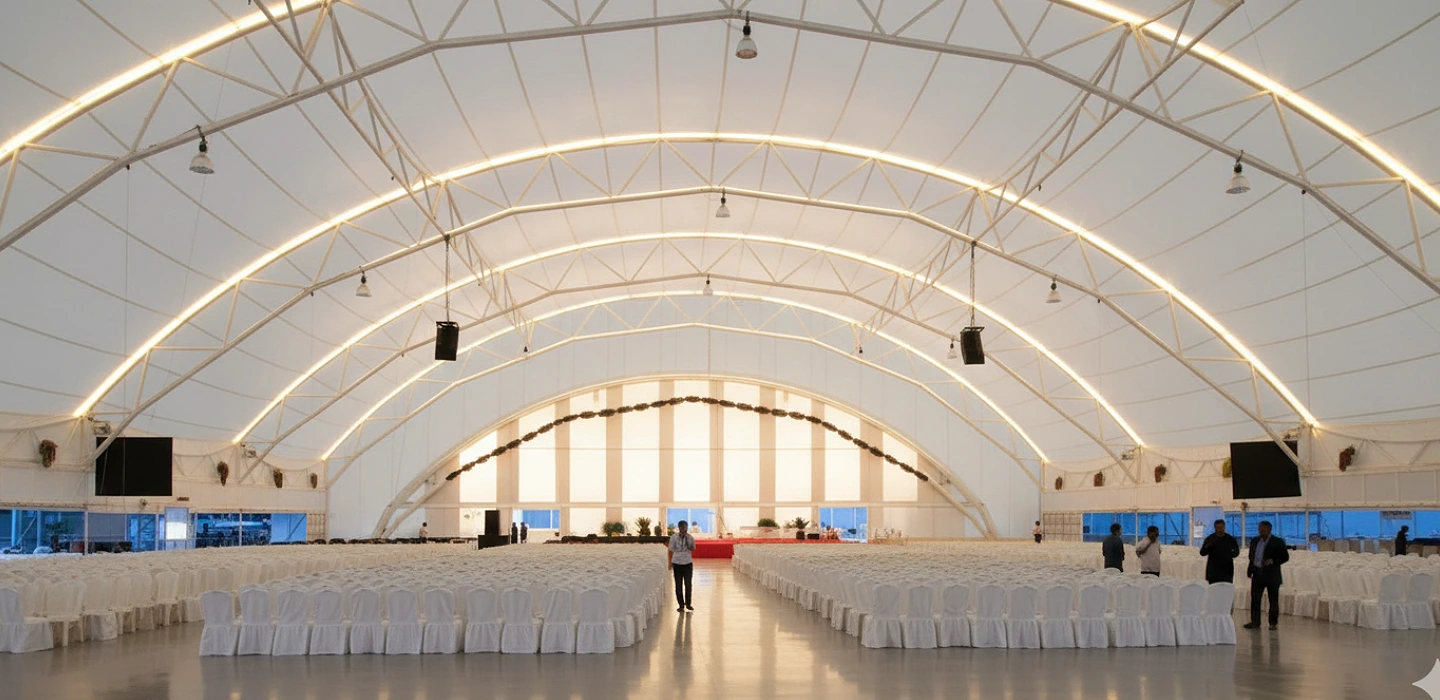
One of the biggest advantages of using a tensile structure for convention center design is the ability to cover expansive areas without internal columns. This open layout ensures uninterrupted visibility and flexible floor planning, which is crucial for exhibitions, expos, and large events.
2. Striking Architectural Appeal
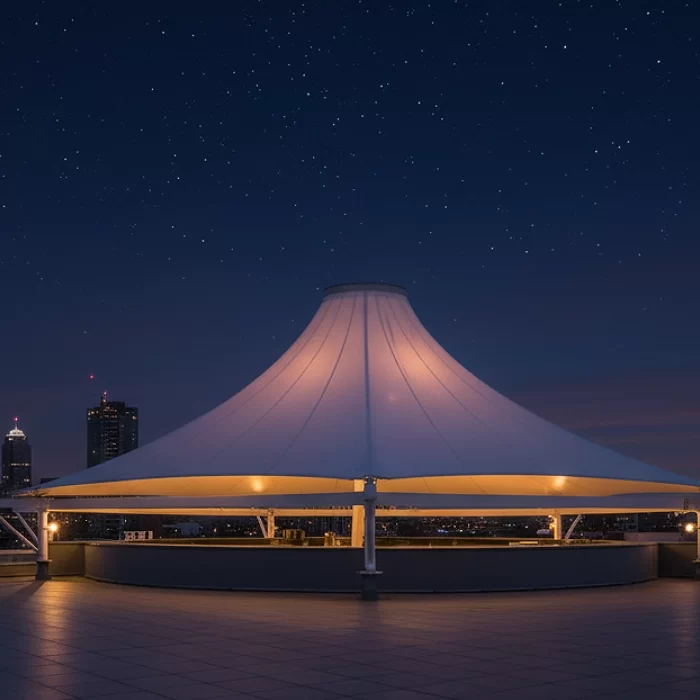
Convention centers often act as landmark buildings. Tensile structures offer sleek, modern, and dynamic forms that enhance the visual identity of the venue. The flowing curves and elegant shapes create a contemporary look that attracts visitors and event organizers alike.
3. Natural Light and Comfort
Tensile fabrics allow diffused natural light to pass through while blocking harmful UV rays. This creates a bright, comfortable indoor environment without excessive heat, reducing the dependency on artificial lighting during daytime events.
4. Energy Efficiency
By minimizing heat gain and optimizing daylight usage, tensile structures contribute to energy efficiency. For convention centers that operate on a large scale, this can significantly reduce electricity and cooling costs over time.
Key Applications in Convention Centers
Tensile structures can be used in multiple areas within a convention center complex, including:
Main exhibition halls
Entrance canopies and drop-off zones
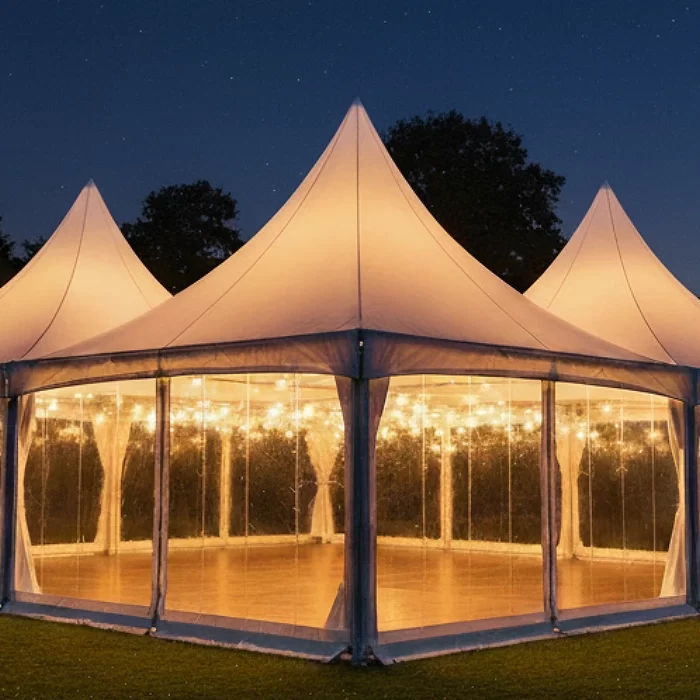
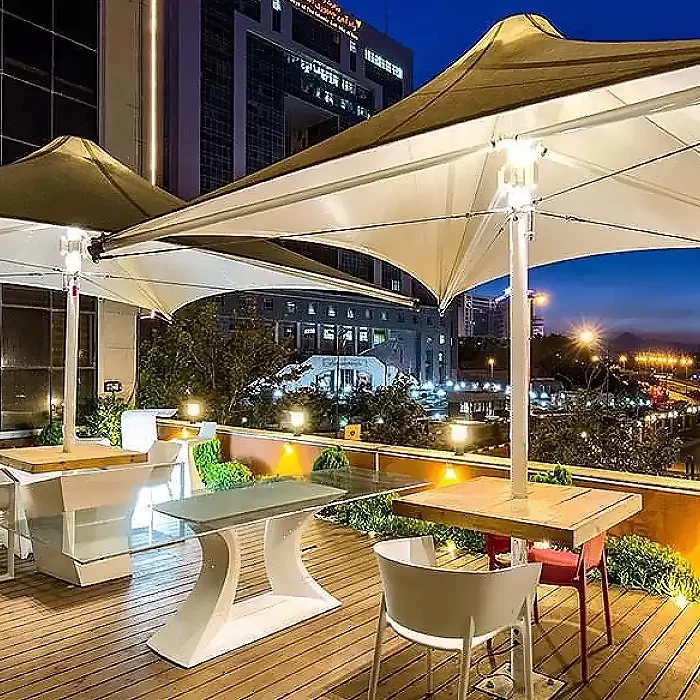
Outdoor event spaces and plazas
Walkways and connecting corridors
Pre-function and networking areas
This versatility makes tensile structures a comprehensive solution rather than a single-use installation.
Durability and Weather Resistance
Modern tensile membranes are manufactured using high-quality materials such as PVC-coated polyester or PTFE-coated fiberglass. These fabrics are engineered to withstand harsh weather conditions including heavy rain, strong winds, and intense sunlight. When properly designed and installed, a tensile structure for convention center use can last for decades with minimal maintenance.
Additionally, tensile fabrics are resistant to corrosion, mold, and pollution, making them suitable for urban and industrial environments where convention centers are often located.
Faster Installation Compared to Traditional Structures
Time is a critical factor in large infrastructure projects. Tensile structures require significantly less construction time compared to conventional concrete roofs. Most components are prefabricated off-site and assembled on location, ensuring faster project completion with reduced disruption.
This speed of execution is especially beneficial for convention centers that need to expand or renovate without long shutdown periods.
Customization and Design Flexibility
Every convention center has unique architectural and functional requirements. Tensile structures offer exceptional design flexibility, allowing architects and engineers to customize shapes, sizes, colors, and configurations. Whether the goal is to create a bold iconic roof or a subtle shading solution, tensile systems can be tailored to match branding and functional needs.
Sustainability Benefits
Sustainability is becoming a key consideration in modern construction. Tensile structures use fewer raw materials compared to traditional roofing systems, resulting in a lower carbon footprint. Their ability to reduce energy consumption through natural lighting and thermal comfort further supports green building practices.
Many convention centers aiming for sustainability certifications choose tensile structures as part of their eco-friendly design strategy.
Maintenance and Lifecycle Cost
Another advantage of a tensile structure for convention center projects is low maintenance. Periodic inspection and basic cleaning are usually sufficient to maintain performance and appearance. Compared to conventional roofing systems, tensile structures offer a favorable lifecycle cost, making them a smart long-term investment.
Conclusion
A tensile structure for convention center applications is more than just a roofing solution—it is a modern architectural approach that blends strength, beauty, and efficiency. From covering large spans and enhancing aesthetics to improving energy efficiency and sustainability, tensile structures meet the evolving demands of contemporary convention centers.
As event venues continue to grow in scale and complexity, tensile structures stand out as a reliable and future-ready solution that delivers both functional excellence and visual impact.