How Tensile Structures Reduce Construction Time and Project Costs
5 September 2026
How Tensile Structures Reduce Construction Time and Project Costs
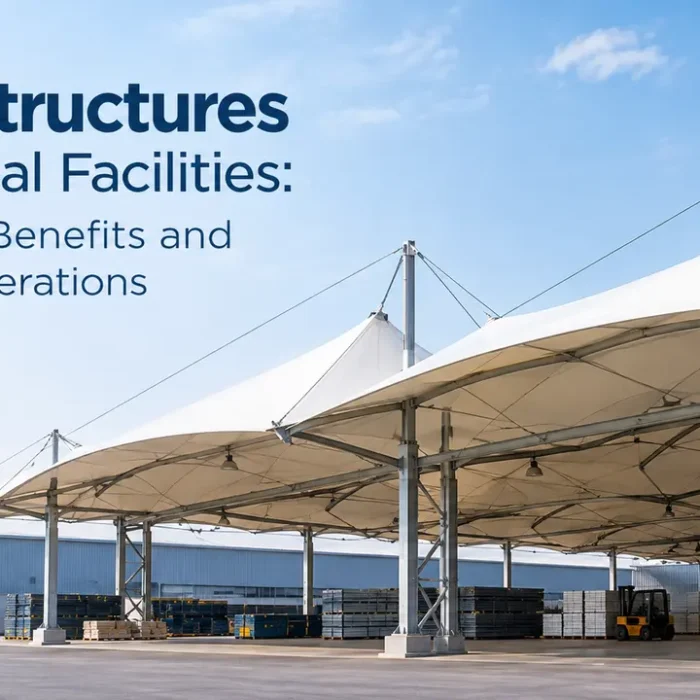
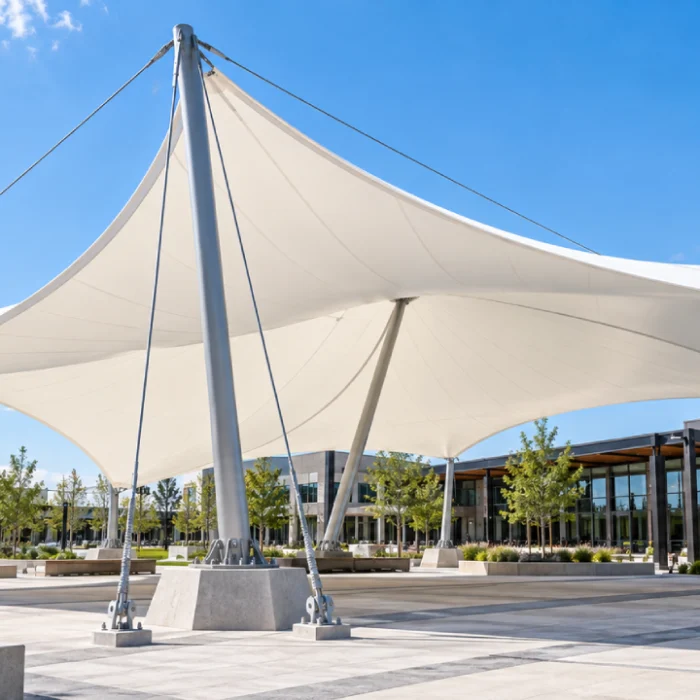
Modern construction projects demand solutions that are strong, visually appealing, fast to install, and costeffective. Tensile structures have become a popular architectural solution because they combine lightweight materials, efficient engineering, flexible design, and shorter construction timelines. From commercial spaces and parking areas to stadiums, walkways, resorts, and public infrastructure, tensile structures reduce construction costs can help shorten project timelines compared with many conventional roofing systems. However, the final cost and installation time depend on several factors, including the size of the structure, membrane material, structural design, supporting steel framework, site conditions, fabrication quality, and installation requirements.
Why Tensile Structures Require Less Construction Time
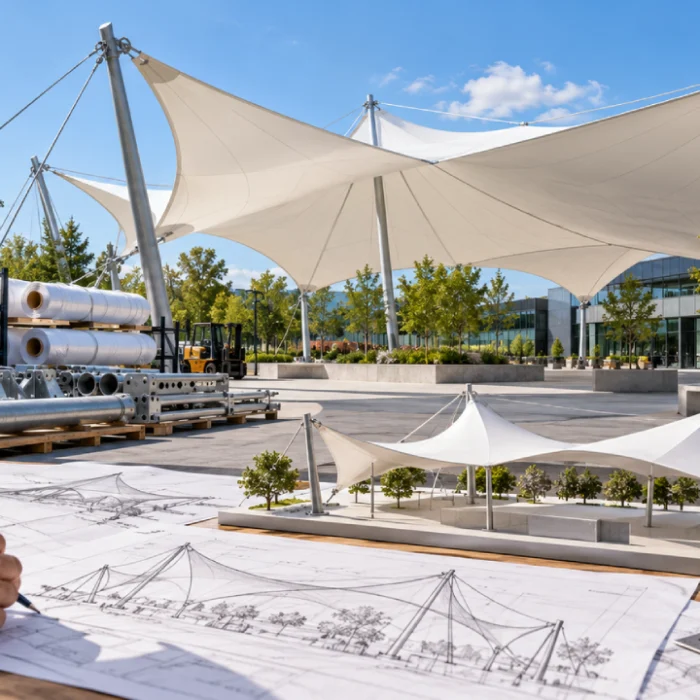
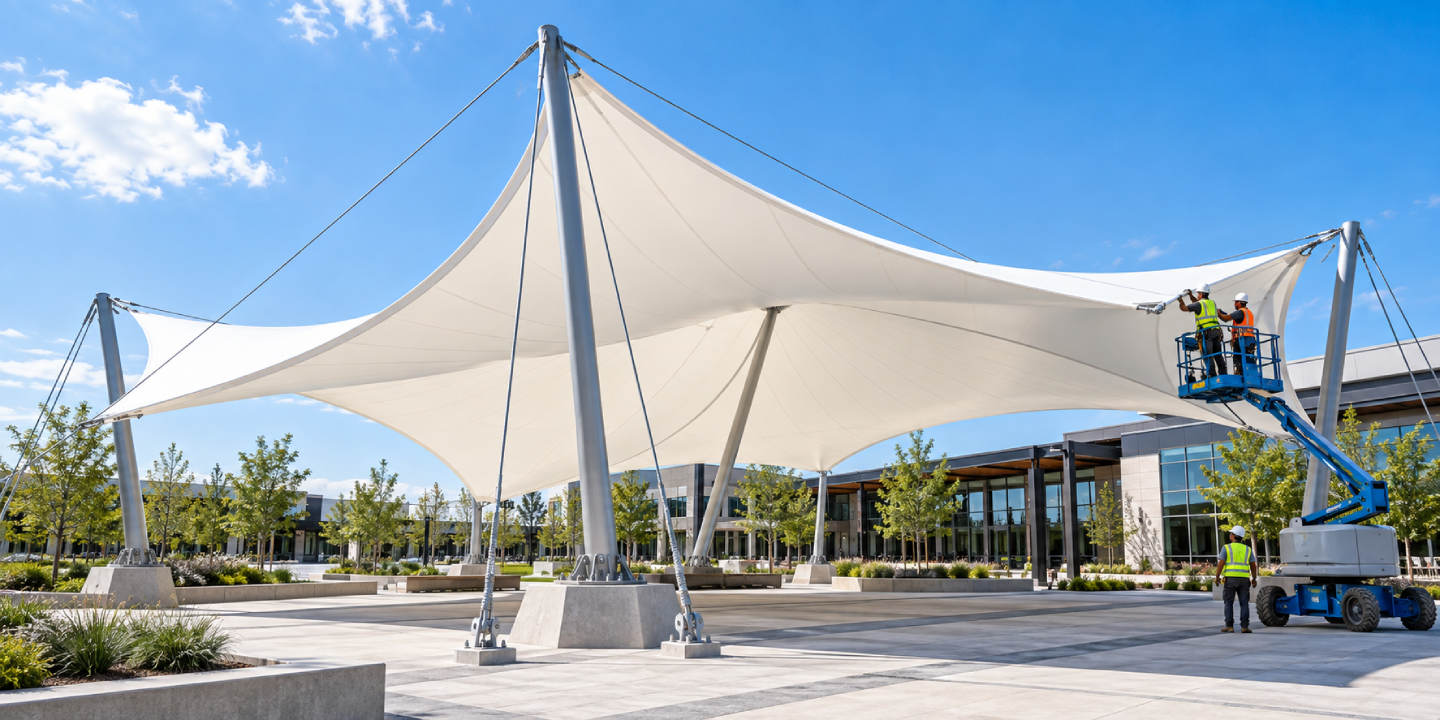
One of the biggest advantages of tensile structures is that many components can be designed and fabricated before arriving at the project site. The membrane, steel framework, cables, and connection components can be manufactured according to precise project specifications. Once the site and foundations are ready, these prefabricated components can be transported and assembled efficiently.
AdvantagesKey Time-Saving Advantages
- Prefabricated structural components.
- Lightweight membrane materials.
- Faster on-site assembly.
- Reduced requirement for heavy structural elements.
- Efficient installation process.
- Less disruption at active commercial sites.
- Faster project completion compared with many conventional roofing systems.
How Tensile Structures Reduce Construction Costs
Tensile structures use lightweight membranes supported by carefully engineered steel frames, cables, columns, or other structural systems.
Because the roofing material is considerably lighter than many conventional construction materials, projects may require less structural support. This can help reduce material usage, transportation requirements, and installation effort.
Lightweight Materials Make Construction Easier
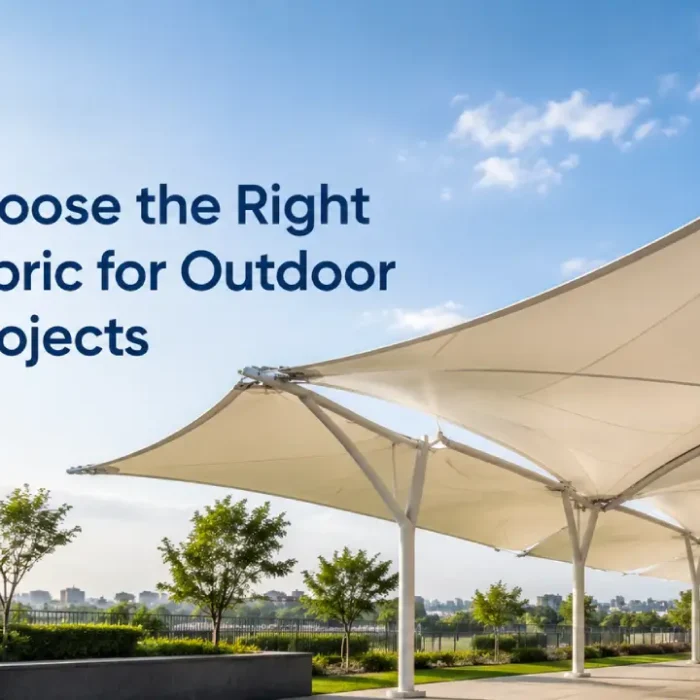
The lightweight nature of tensile membranes is one of the key reasons these structures can be installed efficiently. Materials such as PVC-coated polyester, PTFE-coated fiberglass, and ETFE film provide different combinations of strength, weather resistance, flexibility, durability, and light transmission. A lighter roof can also reduce loads on the supporting structure compared with heavier conventional roofing solutions, subject to the project’s engineering design.
Prefabrication Improves Installation Efficiency
Modern tensile structures are generally designed using accurate engineering and digital fabrication methods. Membrane panels and structural components can be fabricated according to predetermined dimensions before installation begins. This helps minimize extensive fabrication work at the construction site.
Benefits of Prefabrication
- Better dimensional accuracy.
- Faster assembly.
- Improved quality control.
- Reduced material waste.
- Less on-site fabrication.
- More predictable installation schedules.
Reduced Foundation and Structural Requirements
Because tensile membranes are lightweight, the supporting structure can often be designed more efficiently than a heavy conventional roof. However, tensile structures still transfer significant wind and membrane tension forces to their supports and foundations. Foundation requirements must therefore be determined through proper structural engineering and site analysis. Efficient engineering can help optimize the amount of steel and concrete required without compromising structural safety.
Applications Where Tensile Structures Can Save Time and Cost
Tensile architecture can be used across a wide variety of projects.
Common Applications
- Car parking shades.
- Commercial entrance canopies
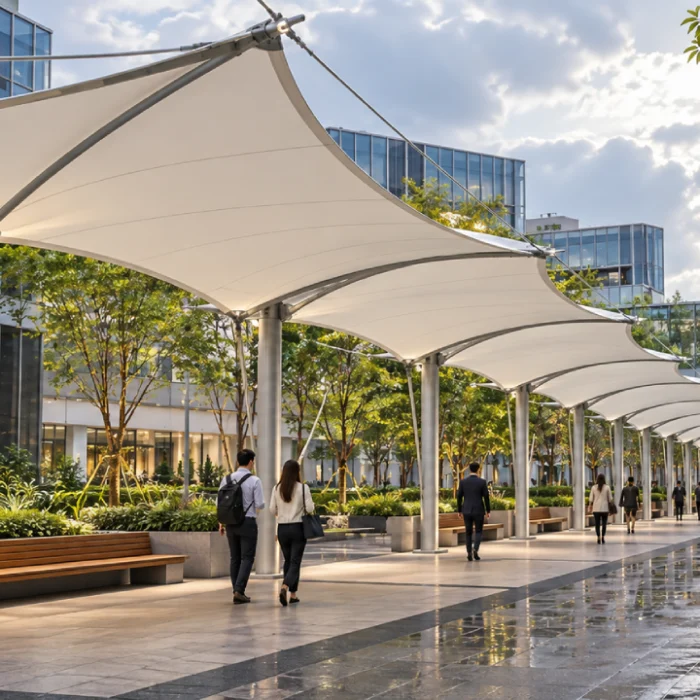
- Walkway covers
- School and playground shades
- Swimming pool covers
- Resort and hotel structures
- Food court canopies
- Railway and metro station covers
- Sports facility shades
- Petrol and gas station canopies
- Outdoor seating areas
- Stadium roofing
- Event and exhibition spaces
For projects requiring large covered areas with minimal visual obstruction, tensile structures can provide an efficient architectural solution.
Long-Term Cost Benefits
Project cost should not be evaluated only on initial construction expenses. Long-term operation and maintenance also matter. 3High-quality tensile membranes can offer resistance to UV exposure, rain, wind, and changing weather conditions, depending on the selected material and engineering system. Some membrane materials also have surfaces designed to resist dirt accumulation, which can help simplify maintenance.
Importance of Professional Engineering
A tensile structure should not be selected purely because it appears lightweight or simple. Its performance depends on proper form-finding, load calculations, membrane tension, connection design, steel support design, drainage planning, wind-load analysis, fabrication, and installation. Working with an experienced tensile structure engineering company helps ensure that cost and construction efficiency do not compromise safety or durability.
Conclusion
Tensile structures can reduce construction time and project costs through their lightweight design, prefabricated components, efficient material usage, faster installation, and optimized supporting systems. They are particularly suitable for projects requiring large covered areas, a modern architectural appearance, and efficient construction. The actual savings depend on the project design, membrane material, site conditions, structural requirements, and installation complexity. Proper engineering and material selection are essential for achieving the right balance between cost, performance, durability, and aesthetics.
Frequently Asked Questions (FAQ)
1. Are tensile structures cheaper than conventional roofing?
They can be more economical for certain applications, particularly large-span shades, canopies, walkways, and lightweight roofing projects. Final costs depend on the design, membrane, steel structure, foundations, and site conditions.
2. Why are tensile structures faster to install?
Many structural and membrane components can be prefabricated before reaching the site. Their lightweight construction also makes handling and assembly more efficient.
3. Do tensile structures require less steel?
Their lightweight roofing system can allow engineers to optimize the supporting structure. The exact quantity of steel depends on structural loads, span, geometry, and wind conditions.
4. Are tensile structures suitable for permanent buildings?
Yes. With appropriate materials, engineering, fabrication, installation, and maintenance, tensile structures can be designed for long-term architectural applications.
5. Which tensile material is best for reducing project costs?
PVC-coated polyester is commonly selected for cost-conscious projects, while PTFE and ETFE may be preferred where longer service life or specialized performance is required.