
Tensile Walkway Covers: Modern Weather Protection for Commercial and Public Spaces
14 September 2026
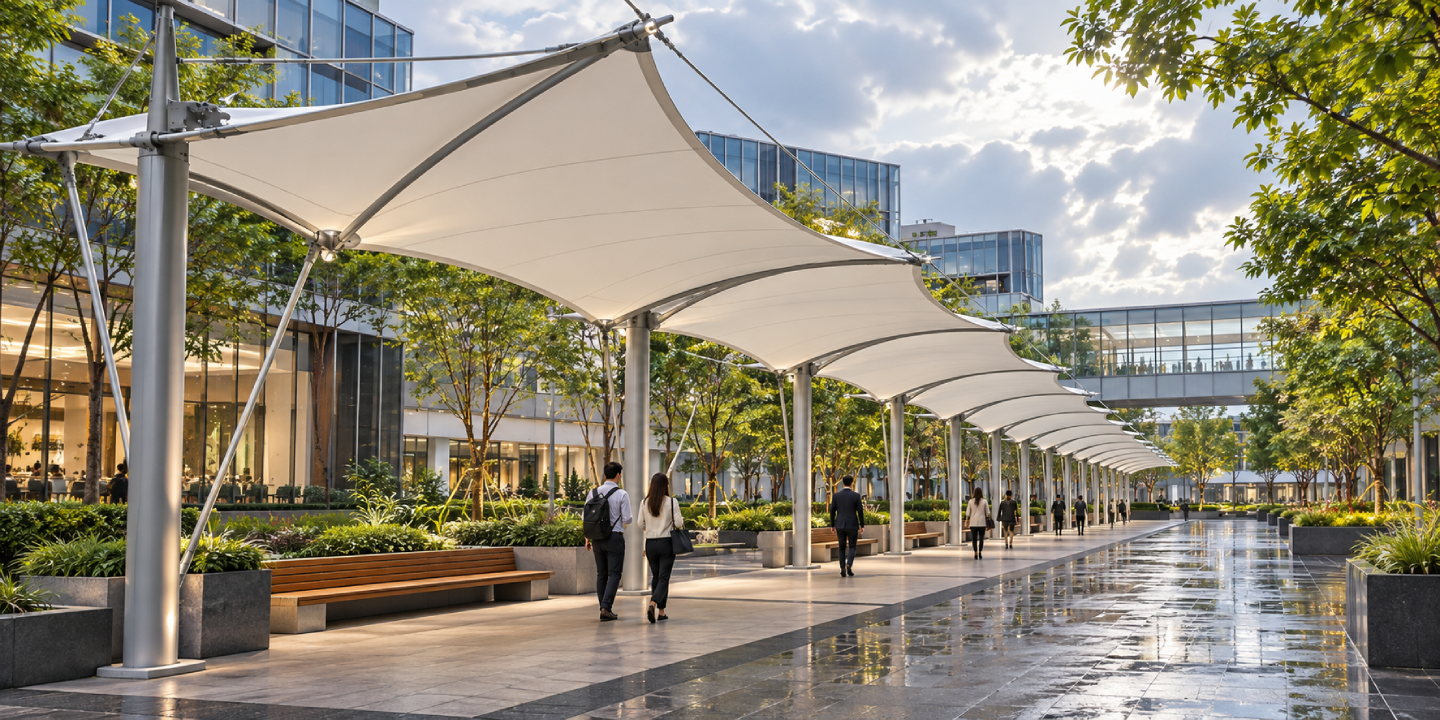
Tensile Walkway Covers: Modern Weather Protection for Commercial and Public Spaces
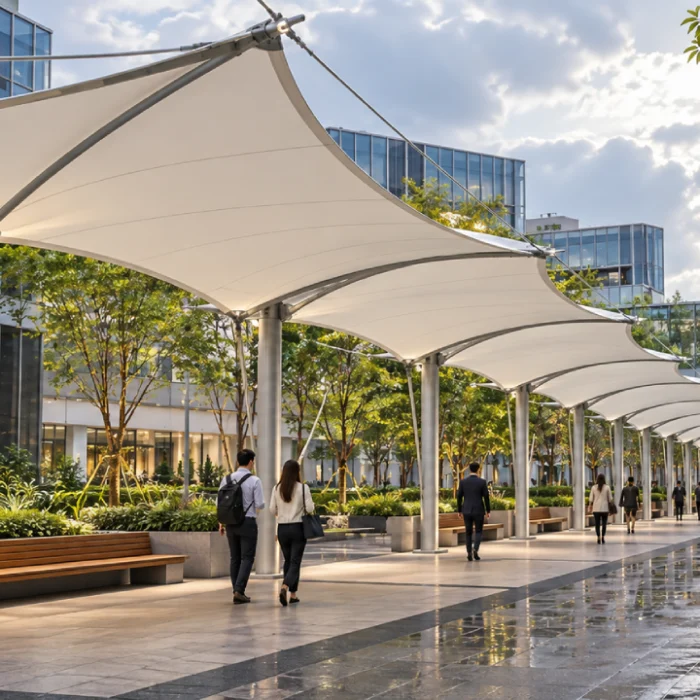
Walkways are an essential part of commercial complexes, schools, hospitals, resorts, railway stations, corporate campuses, shopping centers, and other public spaces. Without proper protection, pedestrians can be exposed to intense sunlight, rain, and changing weather conditions. Tensile walkway covers provide an attractive and functional solution by creating protected pedestrian routes using lightweight fabric membranes and engineered supporting structures. Unlike conventional heavy roofing systems, tensile walkway structures can combine weather protection, architectural flexibility, lightweight construction, and modern aesthetics.
What is a Tensile Walkway Cover?
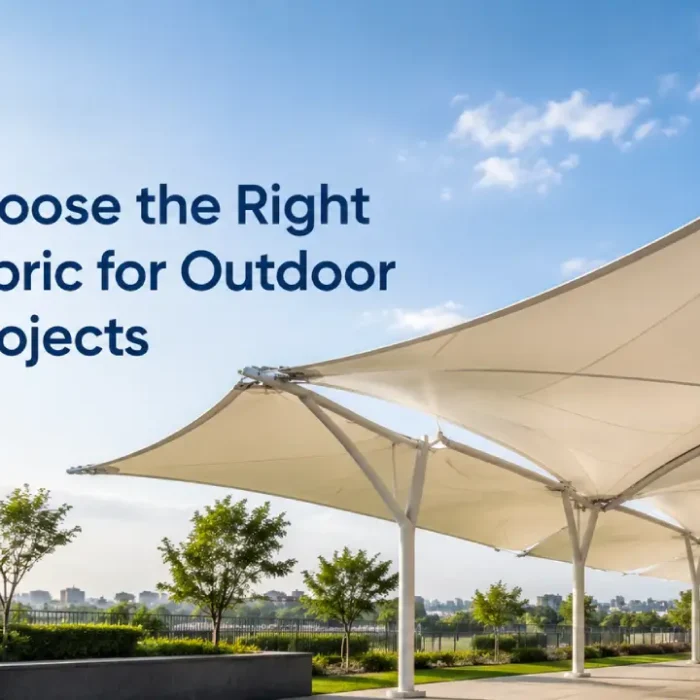
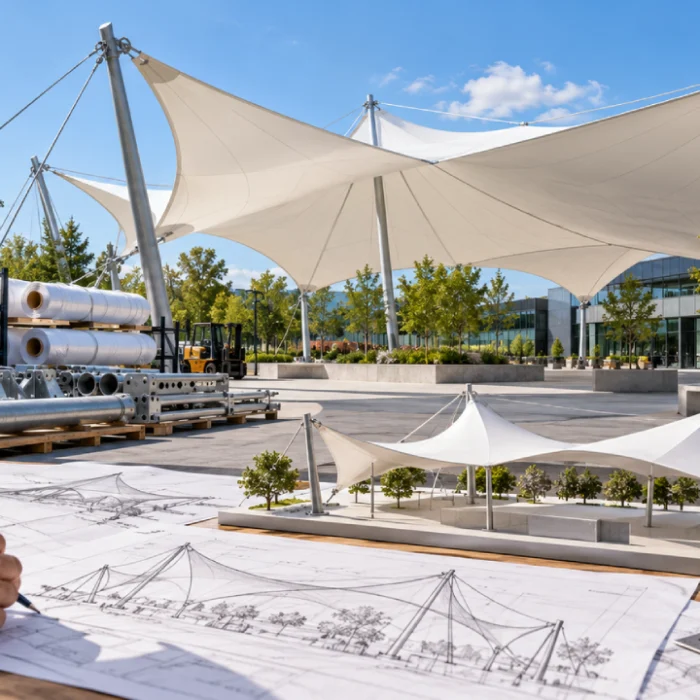
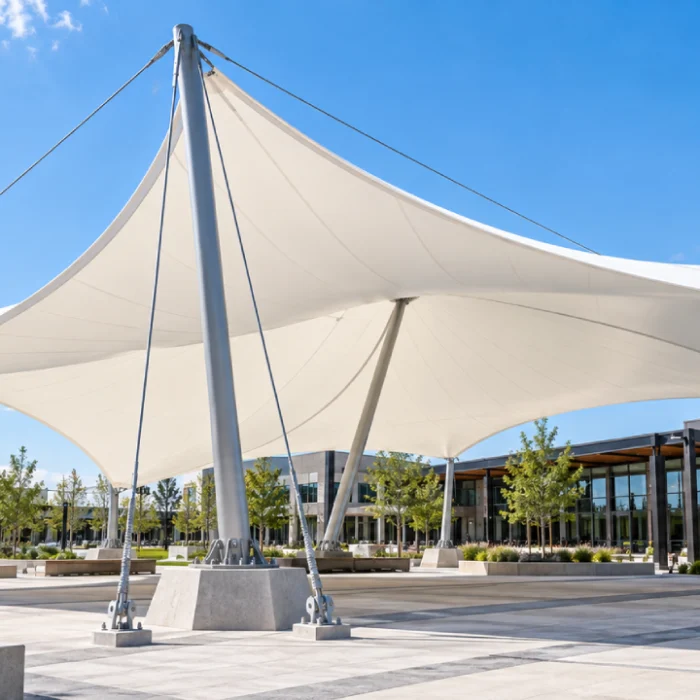
A tensile walkway cover is a lightweight canopy system designed to protect pedestrian paths and connecting areas. The membrane is tensioned over an engineered supporting structure to create a stable roof form. Depending on the project, the design may use steel columns, frames, cables, and specialized connection systems. Tensile walkway covers can be customized according to the length of the walkway, available width, building architecture, drainage requirements, pedestrian traffic, and site conditions.
Benefits of Tensile Walkway Covers
1. Protection from Sunlight
Tensile membranes can provide effective shade and help reduce direct solar exposure for pedestrians. 1This makes covered walkways particularly useful for schools, hospitals, corporate campuses, resorts, shopping centers, and public transport facilities.
2. Rain Protection
Properly designed tensile walkway roofs help direct rainwater away from pedestrian paths. Correct slope, membrane geometry, drainage points, and water collection systems are important to prevent water accumulation.
3. Modern Architectural Appearance
Tensile structures can create flowing curves and distinctive architectural forms that are difficult to achieve with many conventional roofing systems. They can complement modern commercial and institutional architecture while also serving a practical purpose.
Where Can Tensile Walkway Covers Be Used?
Tensile walkway covers are suitable for a wide range of commercial and public environments.
Common Applications
- Shopping malls
- Hospitals
- Schools and colleges
- Airports
- Railway stations
- Metro stations
- Resorts and hotels
- Corporate campuses
- Industrial facilities
They are particularly useful where people regularly move between separate buildings or outdoor facilities.
Tensile Walkway Covers for Hospitals
Hospitals require comfortable and protected movement between entrances, parking areas, departments, and other facilities. Covered tensile walkways can help protect patients, visitors, and staff from direct sunlight and rain while maintaining an open environment.
Tensile Walkways for Schools and Colleges
Educational campuses often contain multiple buildings separated by outdoor paths. Tensile walkway covers can create shaded connections between classrooms, laboratories, hostels, playgrounds, auditoriums, cafeterias, and parking areas.
Materials Used for Tensile Walkway Covers
The choice of membrane depends on budget, lifespan, appearance, and performance requirements.
PVC-Coated Polyester
PVC membranes are widely used because they offer a practical balance between cost, durability, flexibility, and weather resistance.
PTFE-Coated Fiberglass
PTFE is suitable for projects requiring higher durability, strong weather resistance, and lower long-term maintenance.
ETFE
ETFE can be considered for architectural projects where high levels of natural light and transparency are important.
Maintenance of Tensile Walkway Covers
Routine inspection can help maintain the appearance and performance of a tensile structure. Maintenance may include checking the membrane surface, connections, supporting steelwork, drainage systems, and membrane tension. The exact maintenance schedule depends on the membrane material, surrounding environment, weather exposure, and manufacturer recommendations.
Conclusion
Tensile walkway covers provide an effective combination of weather protection, lightweight engineering, architectural flexibility, and modern design. 4They can be used across hospitals, schools, malls, airports, railway stations, resorts, corporate campuses, and numerous other public and commercial environments. With appropriate material selection, structural engineering, drainage design, fabrication, and professional installation, a tensile walkway cover can create a comfortable and visually appealing pedestrian environment.
Frequently Asked Questions (FAQ)
1. What is a tensile walkway cover?
It is a tensioned membrane canopy installed over pedestrian pathways to provide shade and weather protection.
2. Are tensile walkway covers waterproof?
Many commonly used architectural tensile membranes are waterproof. Effective rain protection also depends on proper membrane geometry, joints, detailing, and drainage design.
3. Where can tensile walkway structures be installed?
They can be installed at hospitals, schools, airports, malls, railway stations, corporate campuses, resorts, industrial facilities, and other commercial or public spaces.
4. . Which fabric is best for walkway covers?
PVC-coated polyester is a common cost-effective option. PTFE can be considered for long-term premium applications, while ETFE may be suitable where transparency and daylight are important.
5. Can tensile walkway covers be customized?
Yes. The shape, dimensions, membrane, supporting structure, colors, drainage, and architectural appearance can be customized according to the project.