How to Select the Right Tensile Swimming Pool Shade Cover: The Complete Selection Process
Date: 15 Apr 2026
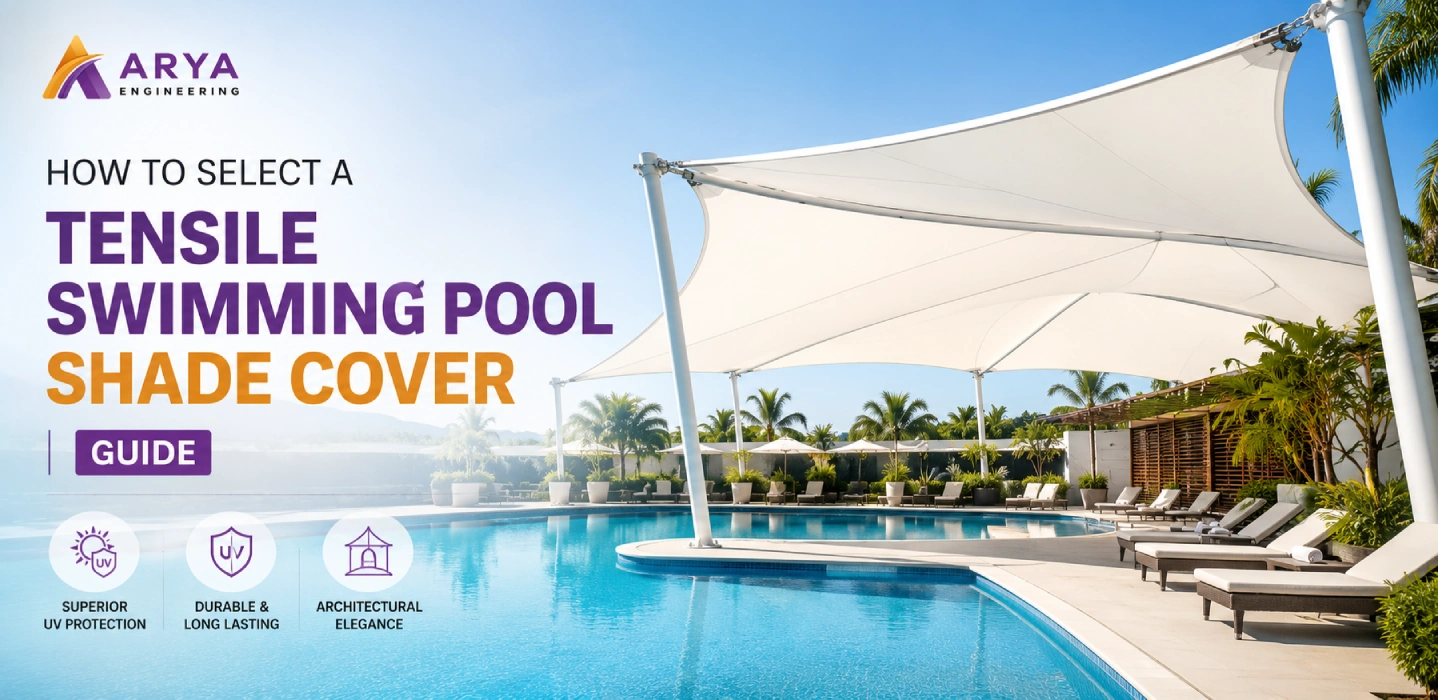
Whether you are managing a luxury resort, a community sports complex, or a high-end residential property, an uncovered pool is exposed to harsh UV rays, debris, and rapid water evaporation. The modern architectural solution to these challenges is a high-performance tensile swimming pool shade cover.
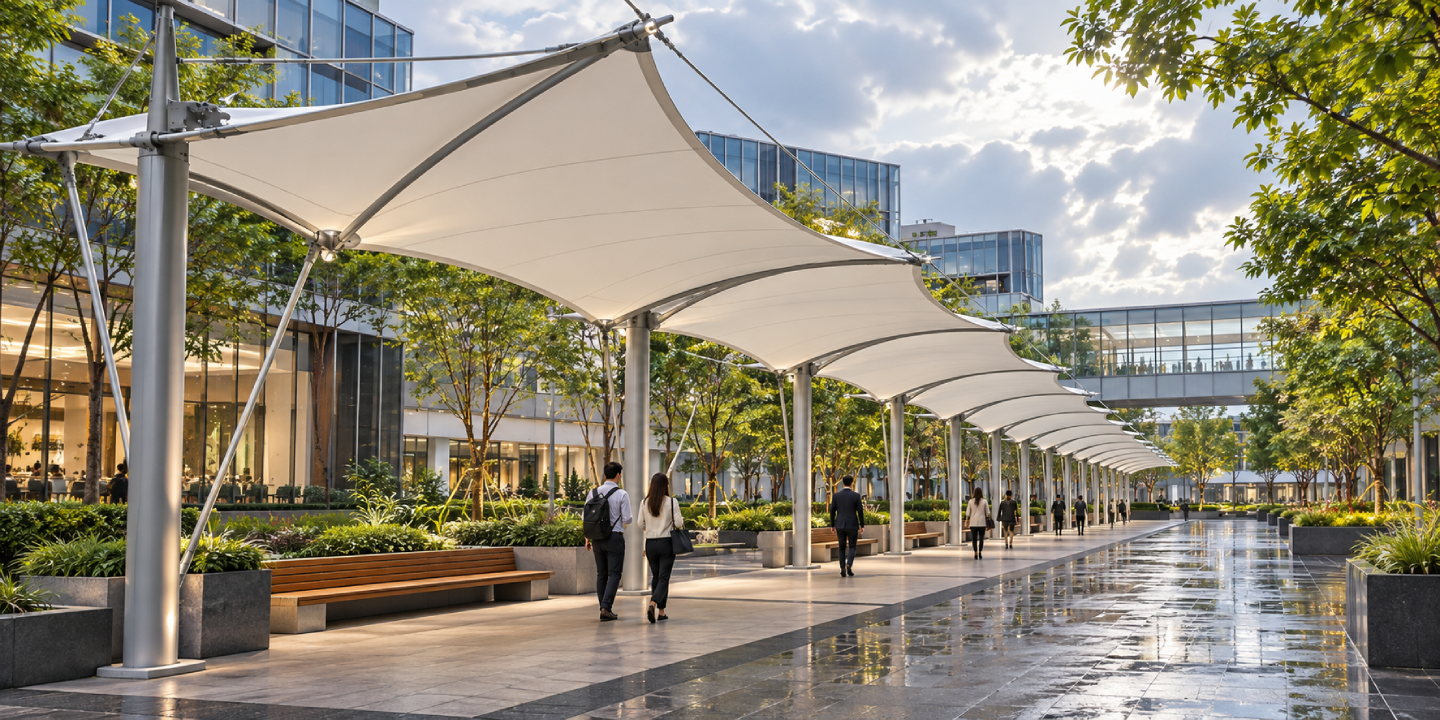
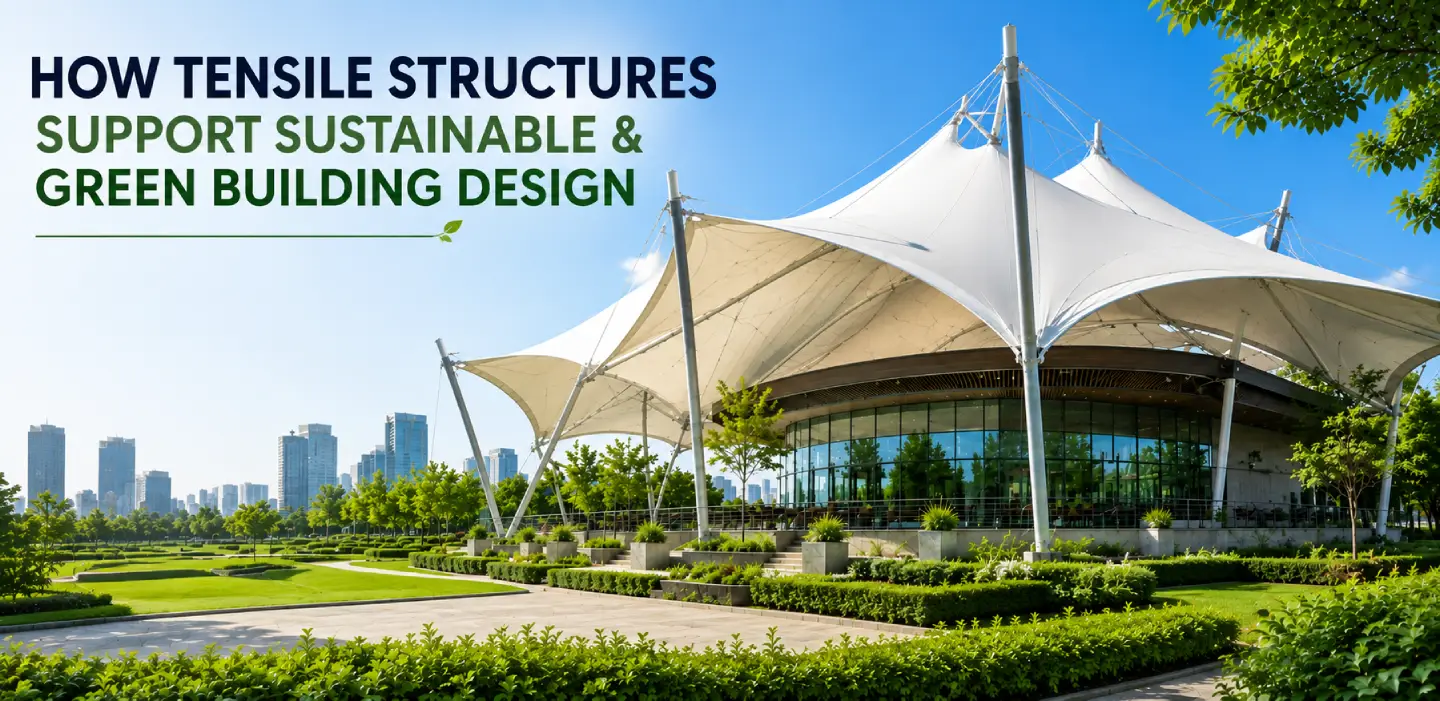
Unlike traditional concrete or metal roofing, tensile structures rely on tensioned fabric membranes supported by steel or aluminum frameworks. They offer column-free coverage, striking aesthetic appeal, and natural light diffusion. But how do you choose the right one for your specific needs?
In this guide, the experts at [Arya Engineering – Internal Link] walk you through the exact selection process to ensure you invest in a durable, visually stunning, and highly functional pool shade.
What is a Tensile Swimming Pool Shade Cover?
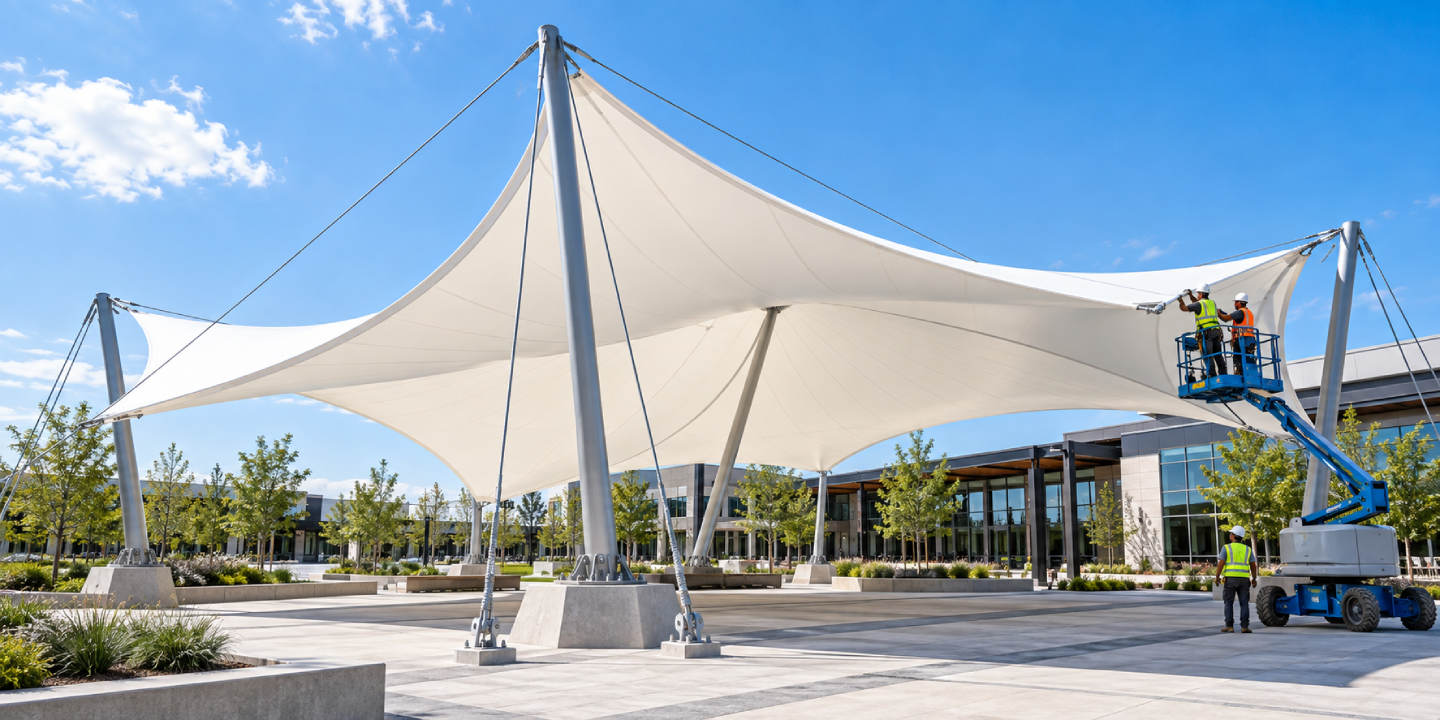
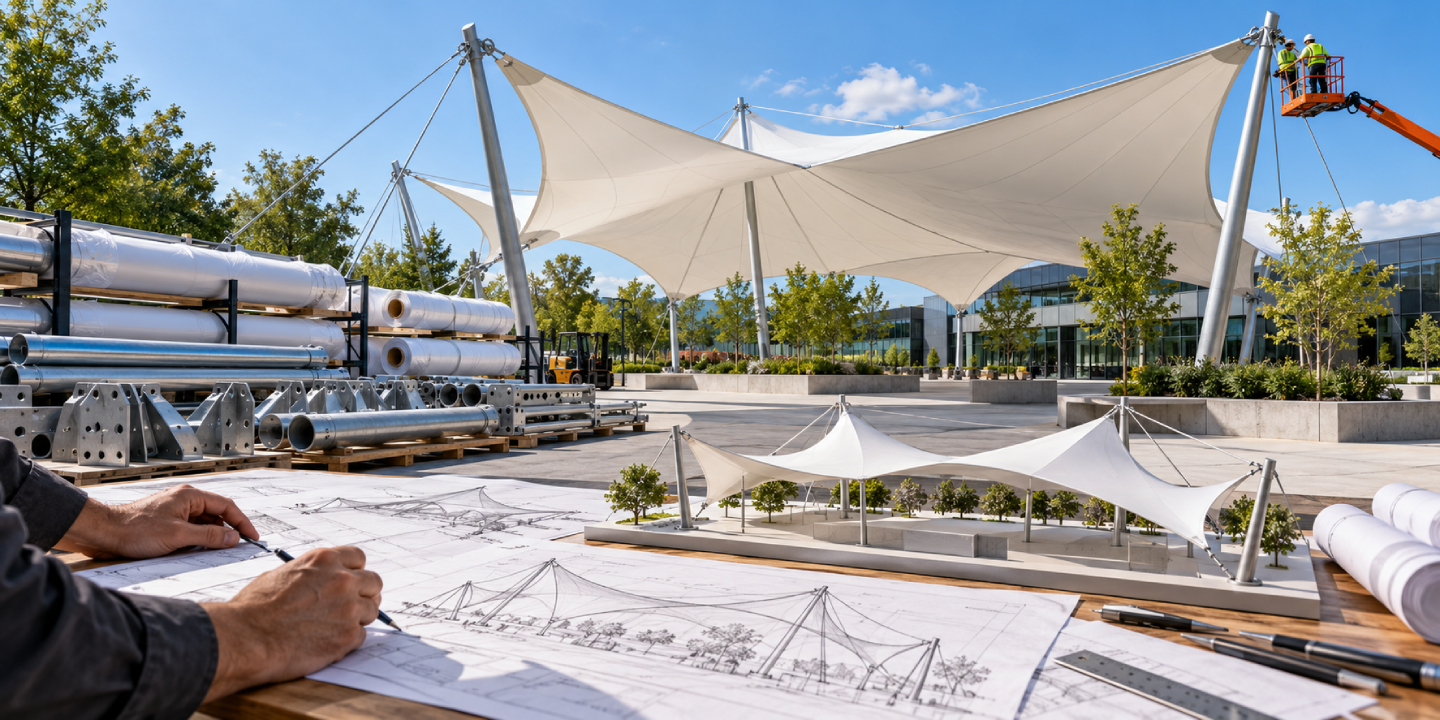
A tensile swimming pool shade cover is an engineered canopy that uses specialized architectural fabrics (like PVC-coated polyester or PTFE) stretched tightly over a rigid framework to create a stable, weather-resistant roof. Because it carries loads through tension rather than compression, it requires less heavy material, allowing for sweeping, artistic curves and wide-span coverage without obstructive pillars.
Why Invest in a Tensile Membrane for Your Pool?
Before diving into the selection process, it helps to understand why modern architects prefer tensile solutions:
- UV and Heat Protection: High-quality fabrics block up to 99% of harmful UV rays, protecting swimmers and keeping the pool deck significantly cooler.
- Reduced Maintenance: A waterproof pool canopy keeps leaves, dust, and bird droppings out of the water, lowering your cleaning and filtration costs.
- Energy Efficiency: By providing shade, the structure slows down water evaporation and reduces the need for continuous chemical rebalancing.
- Architectural Elegance: The flowing curves and unique shapes of tensile structures add a premium, contemporary look to any property.
For a deeper dive into how tensioned fabrics bear structural loads, read more about Ultimate Tensile Strength on Wikipedia.
The 4-Step Selection Process for a Tensile Pool Canopy
Selecting the perfect tensile swimming pool shade cover requires careful planning. Follow this step-by-step process:
1. Analyze the Site and Environment
The first step is evaluating your pool area’s specific climate and spatial constraints.
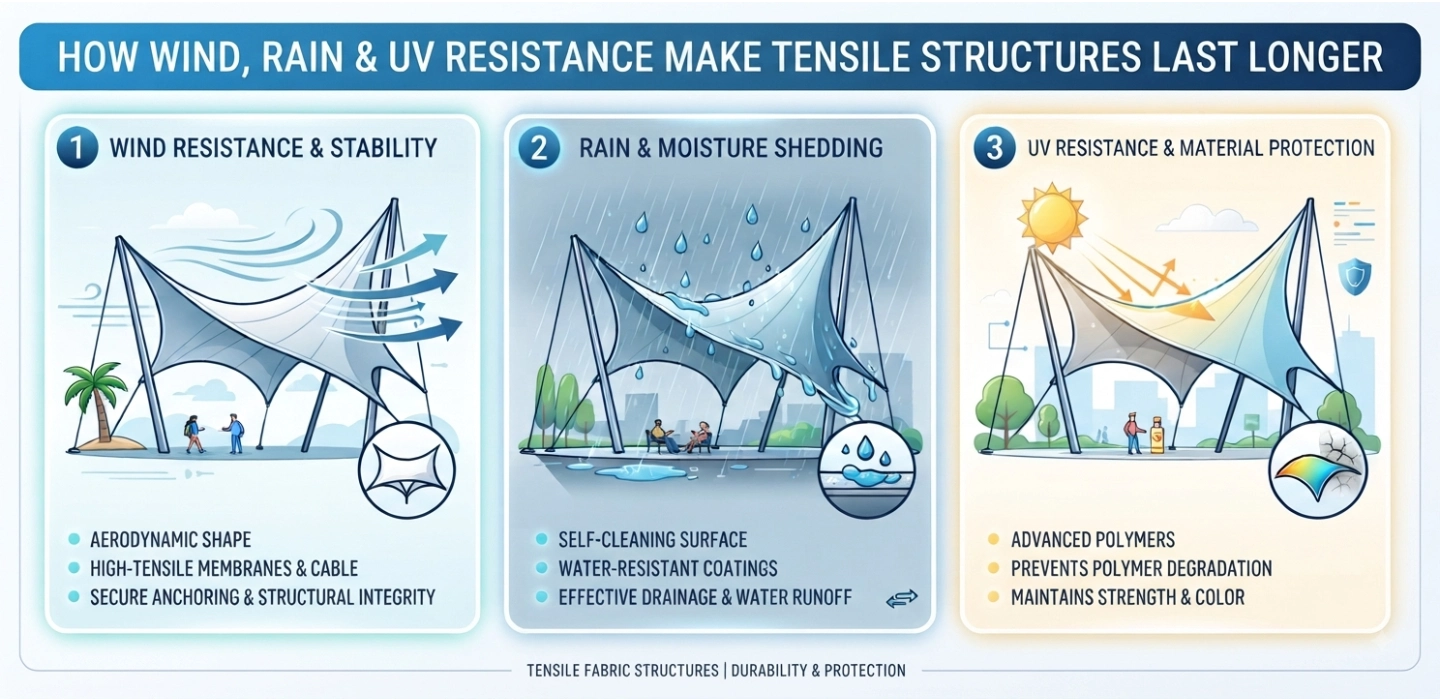
- Wind and Weather Loads: If your pool is located in an area with high wind speeds or heavy rainfall, the engineering team must design a framework that can withstand those dynamic loads.
- Sun Trajectory: Assess how the sun moves across the pool during the day. The canopy must be angled and positioned to provide maximum shade during peak heat hours.
2. Choose the Right Membrane Material
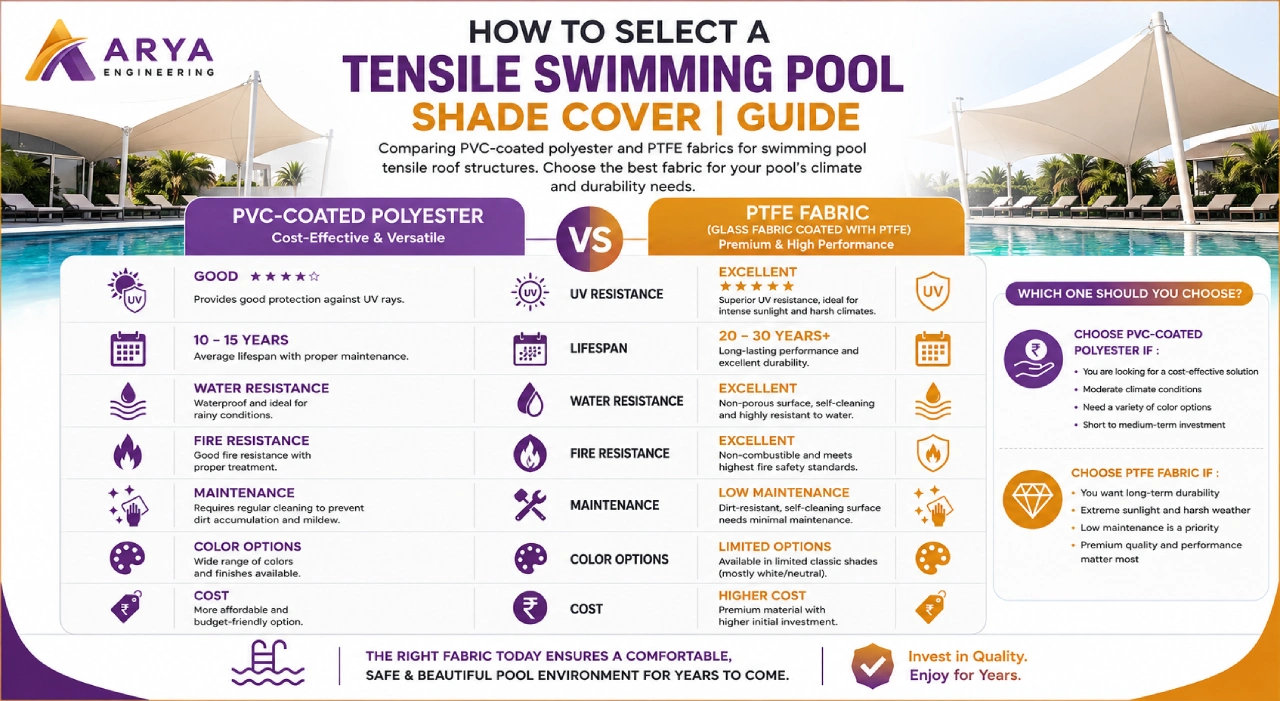
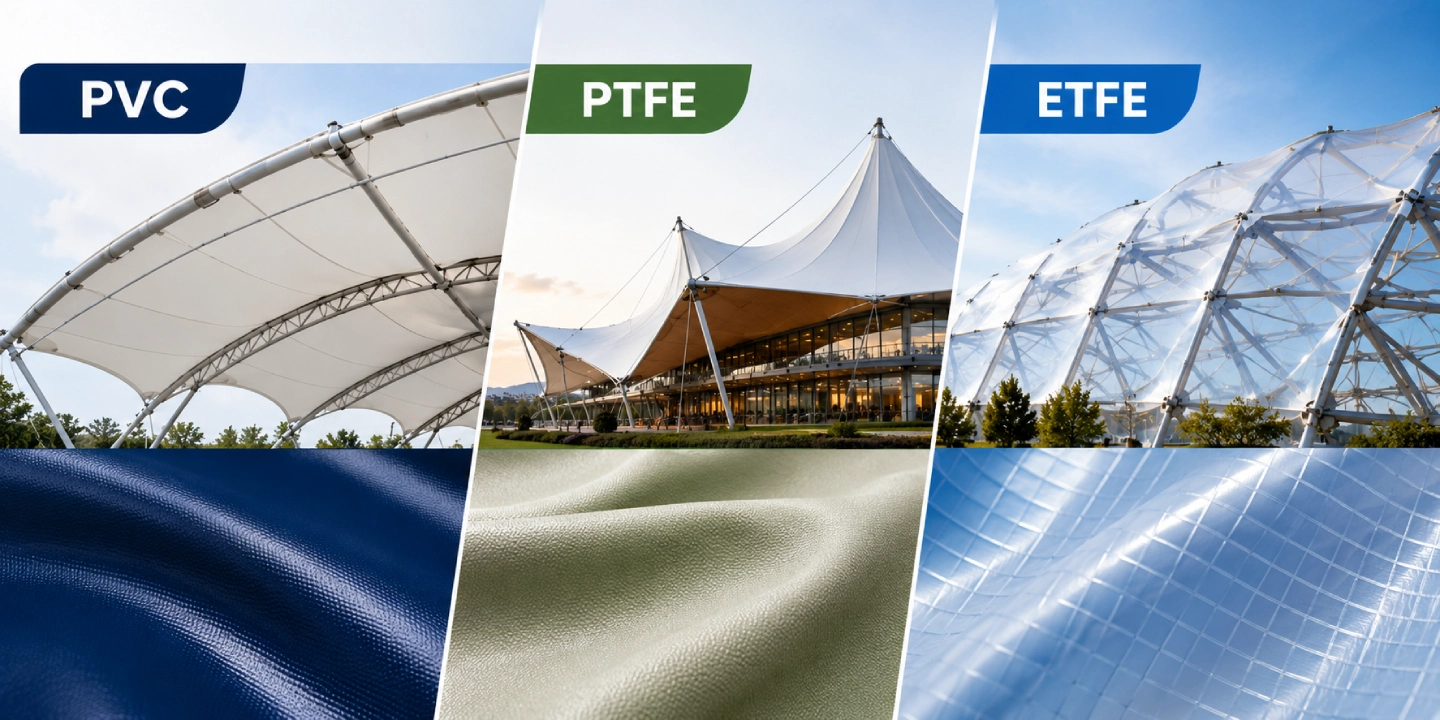
The fabric you choose dictates the longevity and performance of your shade. The three most common materials are:
- HDPE (High-Density Polyethylene): A porous, breathable mesh that provides excellent shade but is not 100% waterproof. Best for residential use.
- PVC-Coated Polyester: The industry standard for commercial pools. It is fully waterproof, highly durable, and offers an excellent balance of cost and performance.
- PTFE-Coated Fiberglass: A premium, self-cleaning material that withstands extreme weather and has a lifespan of 30+ years.
3. Determine the Architectural Shape
Tensile structures offer immense design freedom. Based on your landscape, you can choose from various forms:
- Hyperbolic Paraboloids (Hypar) for a classic, saddle-like curved aesthetic.
- Conical or Dome structures for dramatic, towering centerpieces.
- Barrel Vaults for covering long, rectangular lap pools.
4. Evaluate the Supporting Framework
The membrane is only as strong as its foundation. Ensure your manufacturer uses high-grade, galvanized steel or aluminum structures treated with anti-corrosion coatings. Since the pool environment is inherently humid and exposed to chlorine, rust resistance is critical.
Trust Arya Engineering for Your Modern Tensile Solutions
At Arya Engineering, we specialize in the design, fabrication, and installation of premium tensile structures. With over ten years of expertise in European and International engineering regulations, our team ensures your project is elegant, safe, and built to last.
Ready to transform your pool area? [Contact Arya Engineering today – Internal Link] to discuss your custom tensile structure requirements.
Conclusion:
Tensile pagodas for lawns offer a perfect combination of elegance, durability, and practicality for modern outdoor spaces. Their ability to provide reliable weather protection while enhancing visual appeal makes them an ideal choice for both residential and commercial applications. From weddings and events to resorts and gardens, these structures deliver flexibility and long-term value. With easy installation, low maintenance, and customizable designs, tensile pagodas stand out as a smart investment for anyone looking to elevate their outdoor environment.
Frequently Asked Questions (FAQ)
How long does a tensile swimming pool shade cover last?
The lifespan depends on the membrane material used. High-quality PVC-coated fabrics typically last 15 to 20 years, while premium PTFE structures can last upwards of 30 years with proper maintenance.
Are tensile pool covers waterproof?
Yes. If you choose architectural fabrics like PVC or PTFE, the tensile structure is 100% waterproof, protecting your pool area from both intense sun and heavy rain.
Can a tensile structure withstand strong winds?
Absolutely. Professional manufacturers engineer the steel framework and tensioned membrane to meet local building codes, ensuring they can withstand high wind loads and severe weather conditions safely.