The Science Behind Strength and Flexibility in Tensile Fabric Structures
16 October 2025
In the world of modern architecture, tensile fabric structures have become a symbol of innovation — combining art, science, and engineering to create spaces that are not only visually striking but also highly functional. Behind their graceful curves and flowing forms lies a fascinating science that balances strength and flexibility to achieve both durability and elegance.
Understanding Tensile Fabric Technology
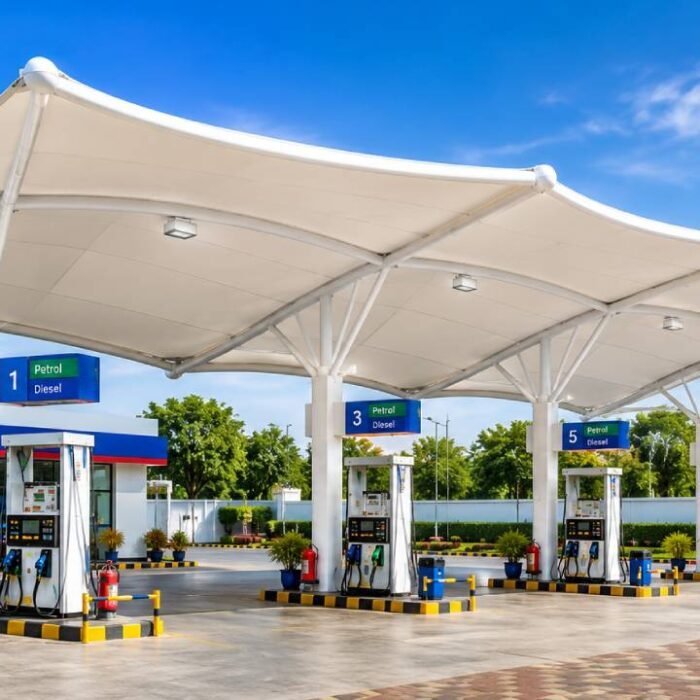
Unlike traditional rigid materials such as concrete or steel, tensile structures rely on tension rather than compression. The fabric, when stretched and anchored properly, creates a stable form that can withstand substantial external forces like wind, rain, and snow.
The result is a lightweight yet incredibly strong structure, capable of covering vast areas without the need for heavy support systems.
The Role of Fabric Composition
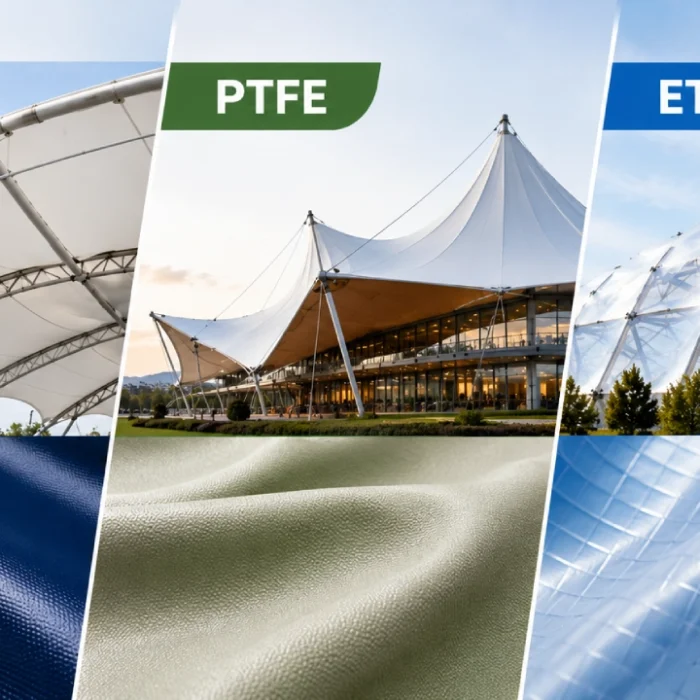
The strength of tensile structures depends heavily on the material used. Most modern tensile fabrics are made from advanced composites such as PTFE (Polytetrafluoroethylene) coated fiberglass, PVC-coated polyester, or ETFE (Ethylene Tetrafluoroethylene) films.
Each material offers unique benefits:
PTFE-coated fiberglass provides outstanding durability and weather resistance.
PVC-coated polyester is lightweight and flexible, ideal for custom designs.
ETFE films are ultra-transparent, allowing natural light while maintaining structural strength.
Together, these materials blend flexibility and tensile strength, ensuring long-lasting performance.
How Tension Creates Strength
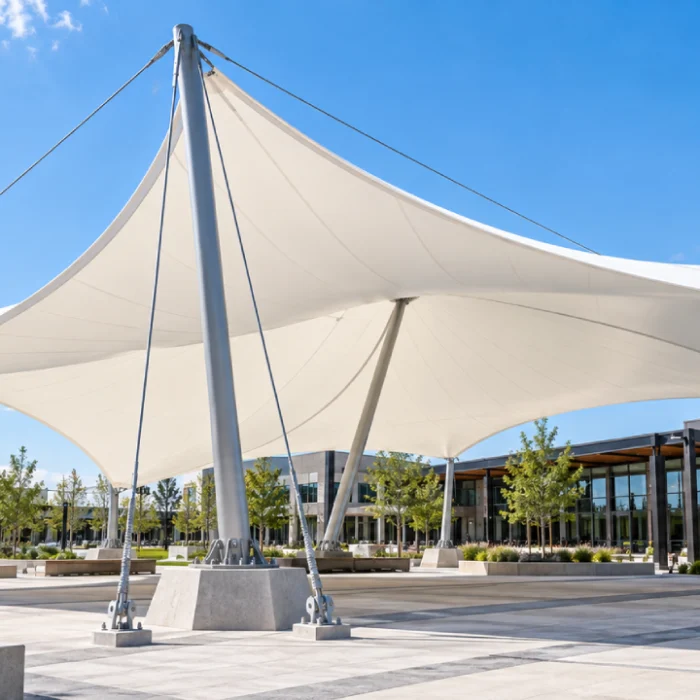
The key to a tensile fabric structure’s strength lies in the pre-tensioning process. When the fabric is stretched tightly between masts or cables, internal tension distributes loads evenly across the surface.
This uniform stress distribution prevents sagging and enhances the structure’s resistance to environmental forces, much like how a stretched drum skin produces both strength and harmony.
Flexibility: The Beauty of Adaptability
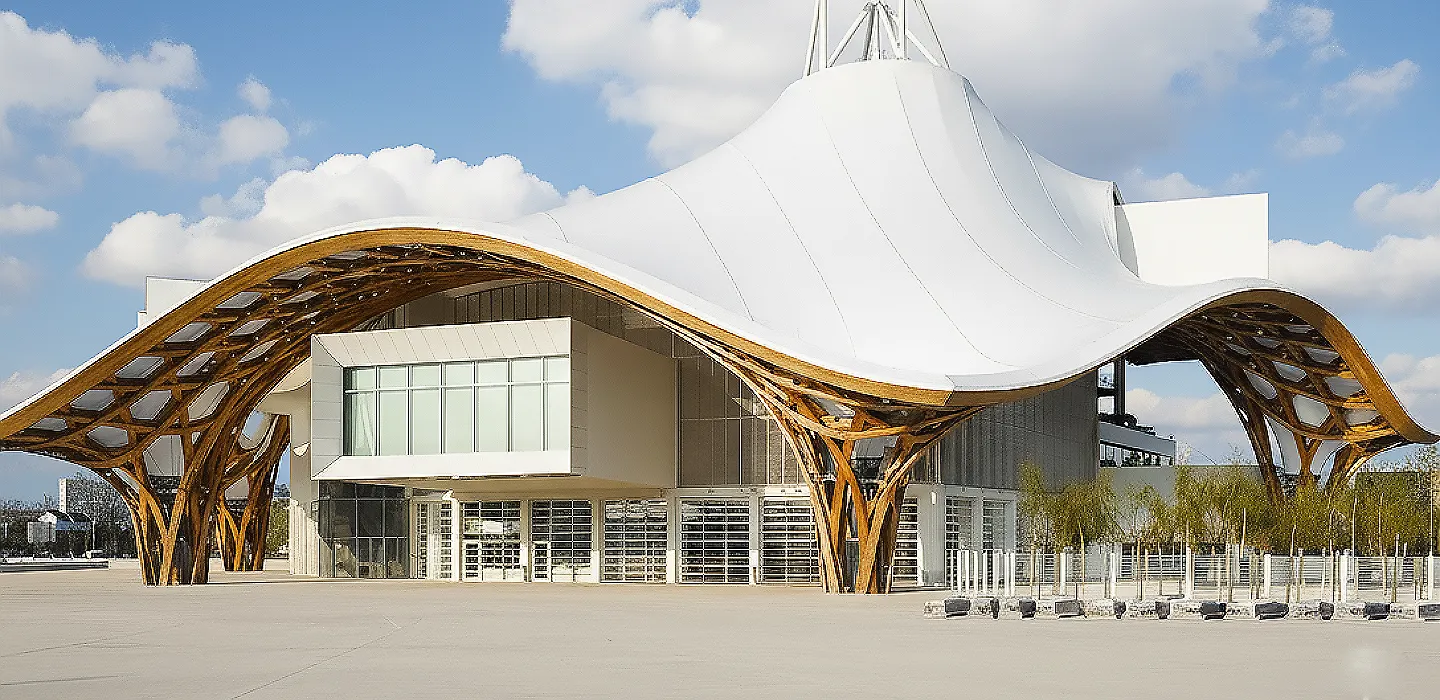
Flexibility is what makes tensile structures stand apart. The ability to bend, curve, and twist allows architects to design organic forms that would be impossible with rigid materials.
This flexibility also helps absorb external shocks such as high winds, ensuring the structure remains intact and stable even under pressure — a property crucial for outdoor canopies, stadium roofs, and architectural facades.
Durability and Environmental Performance
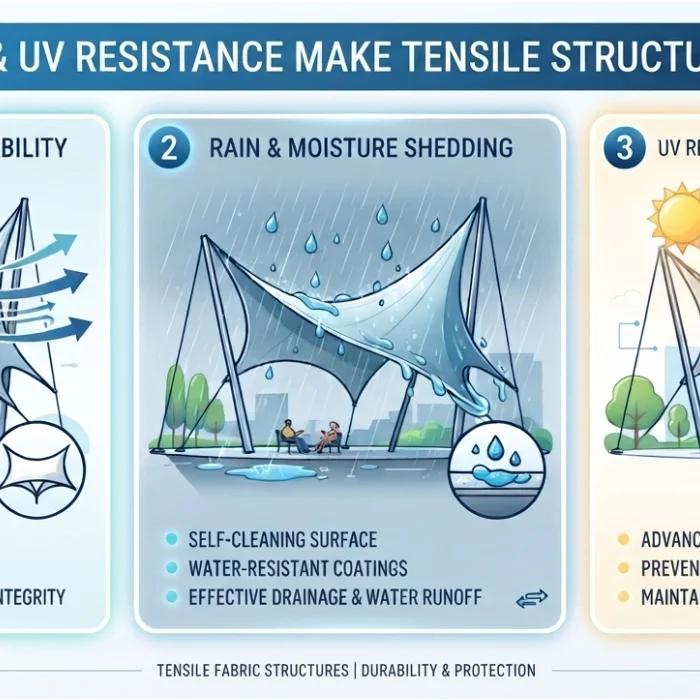
Modern tensile fabrics are designed to resist UV radiation, moisture, temperature fluctuations, and pollutants. With proper engineering and installation, they can maintain both form and function for decades, all while being energy-efficient and eco-friendly.
Many tensile materials are recyclable, and their lightweight nature reduces the carbon footprint of transportation and installation.
Engineering Precision Meets Aesthetic Vision
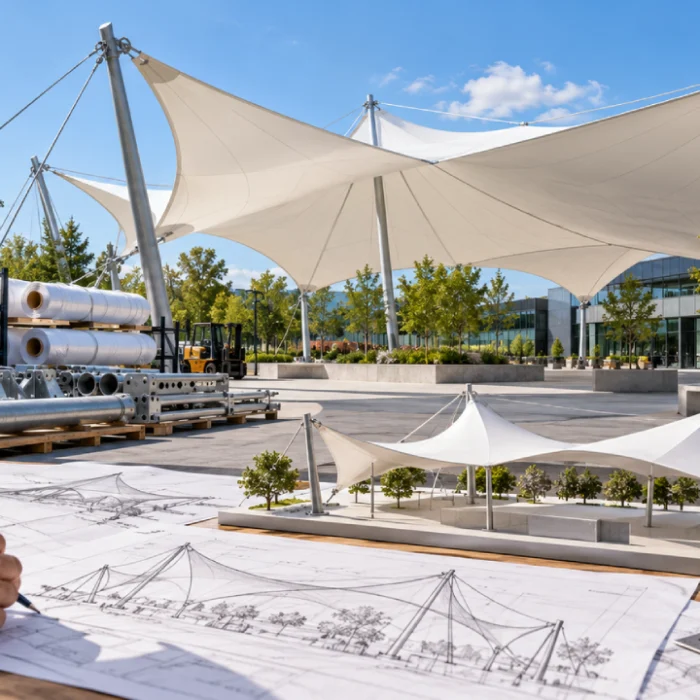
At its core, tensile design is a perfect harmony of engineering precision and artistic creativity. Structural engineers use advanced modeling software to simulate forces and tension, ensuring that every curve and joint maintains structural integrity.
The outcome is an elegant, futuristic form that speaks of both strength and motion — a true blend of science and art.
Conclusion
The science behind tensile fabric structures is a testament to how innovation and engineering can redefine modern architecture. By harnessing the perfect balance between strength and flexibility, these structures deliver aesthetic beauty, functional durability, and environmental sustainability — making them the preferred choice for architects and designers around the globe.